More than an insult, goldbrick was a condemnation of character
More than an insult, goldbrick was a condemnation of character. A brick painted gold appears valuable but is actually worthless. The term referred to a soldier who dodged responsibility, slacked off, or manipulated the system to avoid work.
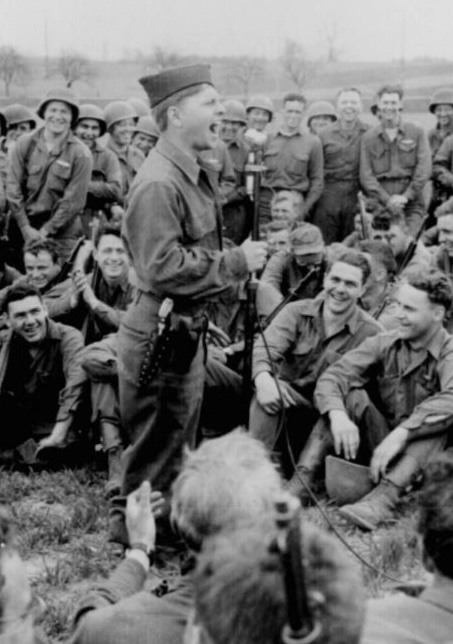
Army life in the barracks and in rear echelon stations involved boredom, hardship, and senseless orders (aka chickenshit), but most GIs accepted it as part of the deal. A soldier who chose not to pull his weight earned the resentment of those doing the actual work.
How to break a “Goldbrick”
Goldbricks were mocked, “Look at Hard Charger over there — resting up for his next nap.” And “Sick Bay Commando strikes again — sprained his finger opening a can of peaches.” Noncoms — Sergeants and Corporals — often made it their mission to “break” a goldbrick. Goldbricks could be thrown a blanket party.
Annoying in the rear echelon, a goldbrick was dangerous at the front. In combat, men’s lives depend on mutual effort and trust. Shirking was betrayal, and dealt with promptly.
The counterpart: A “Rogue”
The Loveable Rogue was not a goldbrick. He often boosted morale by outwitting the brass. He liberated liquor from the officer’s club and shared it. He kept a spare pair of boots permanently polished for inspections. He forged requisition forms to get a Jeep from the motor pool and drive his buddies to town. He wasn’t lazy — he was clever. He was Beetle Bailey. He was Corporal Klinger. He was the anti-hero in a world of absurd military bureaucracy.