Cigarettes as currency in the wartime economy
There’s a scene in Jeep Show where the protagonist, Jim, and a fellow entertainment soldier pay for a gourmet meal at Fouquet’s in Paris — not with francs, but with a carton of Camel cigarettes.
In liberated Paris, cigarettes were hard money. Government-issued currency? Not so much.
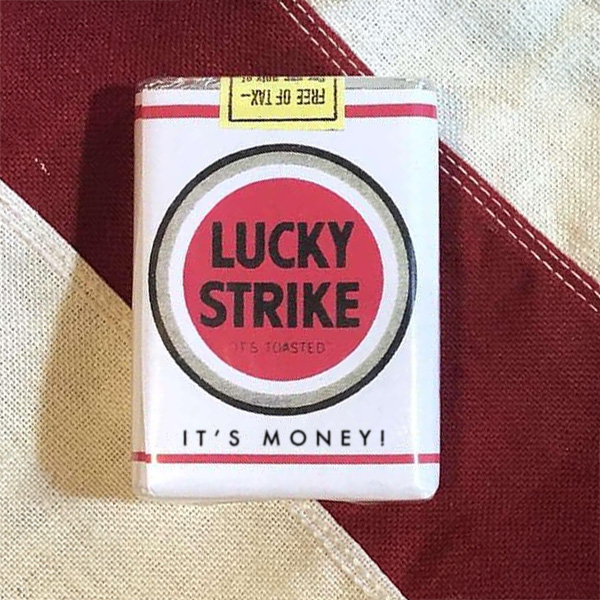
Camels > Cash
The French had been left holding worthless German occupation notes and discredited Vichy francs. The Americans arrived with “invasion money” — Allied Military Currency — which the GIs themselves disdained. Then there were the freshly issued francs from de Gaulle’s new government, still struggling to earn trust. No wonder Parisians preferred to be paid in Lucky Strikes.
But Luckies, Camels, Chesterfields — they weren’t just stores of value. They were icons. Symbols of American style, American glamour, and, most important, American victory.
Cigarette Arbitrage For Smart GIs
And GIs? They had their own ATM: the Post Exchange. Buy a pack for a nickel in the Champs-Élysées PX, sell it for two bucks on the street outside. Need a tailor to sew on your new stripes? That’ll be two packs of Camels. Want a fancy meal for you and a buddy? Slip the maître d’ a carton. Want to impress une belle Parisienne? Chesterfields, not flowers. Heading to the black market at Place de la République? Bring Camels, not cash.
A few soldiers went further, much further, partnering with French criminals to steal and sell thousands of cartons — making small fortunes they’d struggle to smuggle back to America. Many were arrested by the MPs, given a hard choice: the stockade or front-line combat duty.
For American GIs in occupied Europe, cigarettes weren’t just smokes — they were backstage passes, door-openers, and the ultimate wartime bargaining chip.